Nach dem Weg fragen · Asking for directions in German · A1

Click the scene or press Space to continue, use the number keys to choose an answer. Tap a word to see its translation. Want to read along? Read the whole dialogue in German with English translation below.

What happens in the story

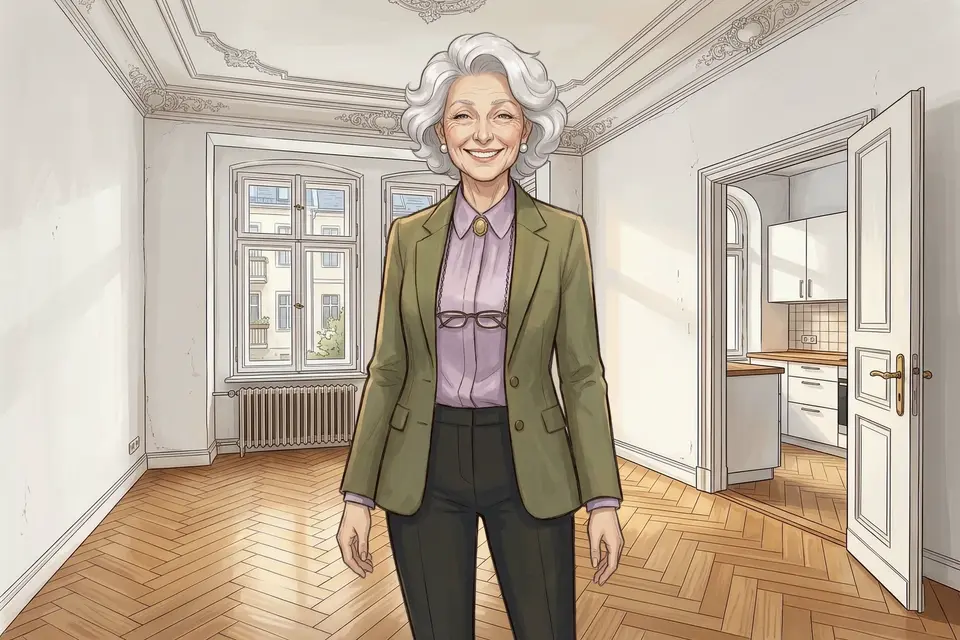
Your train leaves in an hour, but where is the station? You ask Frau Krause, an older lady coming out of the café, for the way. She explains it: straight on, the second street on the left, past the church. You check that you understood, and she decides to walk with you. At the station she has forgotten her glasses, and now it is your turn to give directions.

The story is written for A1 level learners and takes about 4 minutes. Frau Krause travels on in Buying a train ticket.

Phrases you will learn

  • Entschuldigung, wie komme ich zum Bahnhof? – Excuse me, how do I get to the station?
  • Wo ist der Bahnhof? – Where is the station?
  • Gehen Sie geradeaus. – Go straight on.
  • Nehmen Sie die zweite Straße links. – Take the second street on the left.
  • Gehen Sie an der Kirche vorbei. – Walk past the church.
  • Ist das weit? / Wie lange dauert das zu Fuß? – Is it far? / How long does it take on foot?
  • Können Sie das bitte wiederholen? – Could you repeat that, please?

Grammar tip: the Sie imperative

To tell a stranger what to do, put the verb first and add Sie:

  • Gehen Sie rechts. – Go right.
  • Nehmen Sie die erste Straße links. – Take the first street on the left.
  • Fahren Sie bis zur Ampel. – Drive to the traffic lights.

With friends you use the du form without the pronoun: Geh rechts! To a stranger it sounds too familiar. And remember: links = left, rechts = right, geradeaus = straight on.

How to play

Click the scene or press Space to read on. When it is your turn, choose an answer with the mouse or the number keys. Natural answers earn points; a wrong answer is never a dead end, Frau Krause shows you the right way and you go on.

Tap any word to see its translation and hear it pronounced. Save the new words to your personal learn list and practise them later with flashcards.
Read the dialogue

The whole story in German with English translation, every answer you can choose

Scene: A street in Berlin

Du bist in der Altstadt. Dein Zug fährt in einer Stunde, aber wo ist der Bahnhof?

You're in the old town. Your train leaves in an hour, but where is the station?

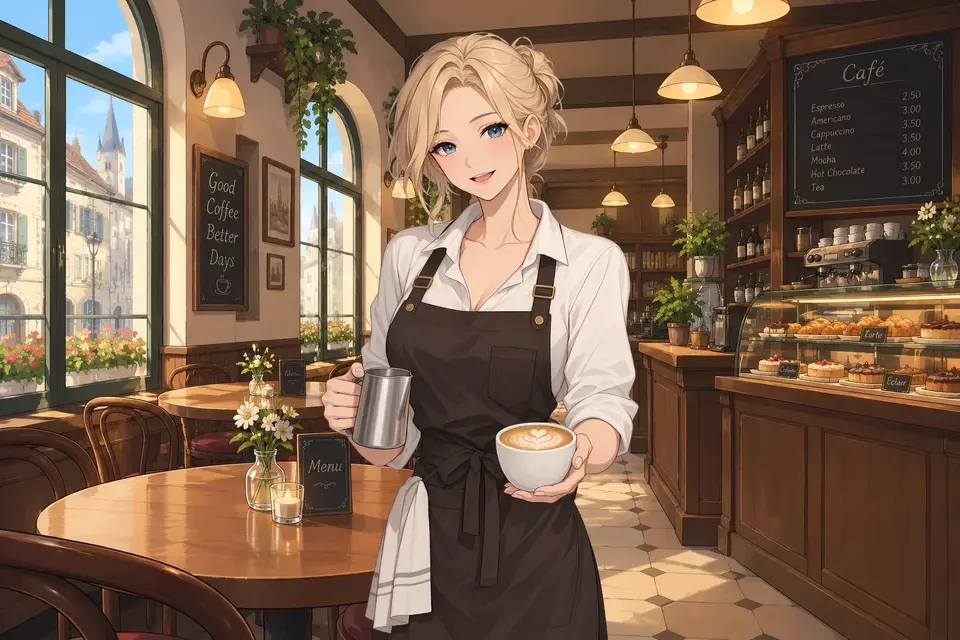
Eine ältere Dame kommt aus dem Café. Es ist Frau Krause.

An older lady comes out of the café. It's Frau Krause.

Your answer

  1. Good answer

    Entschuldigung, wie komme ich zum Bahnhof?

    Excuse me, how do I get to the station?

  2. Good answer

    Entschuldigung, wo ist der Bahnhof?

    Excuse me, where is the station?

  3. Mistake: wrong article: der Bahnhof

    Entschuldigung, wo ist die Bahnhof?

    Excuse me, where is the station?

    Krause: Der Bahnhof, meinen Sie?

    The station, you mean?

Your answer

  1. Good answer

    Ja, wo ist der Bahnhof?

    Yes, where is the station?

Krause: Zum Bahnhof? Das ist nicht weit.

To the station? It's not far.

Krause: Gehen Sie hier geradeaus. Dann nehmen Sie die zweite Straße links.

Go straight on here. Then take the second street on the left.

Your answer

  1. Good answer

    Also geradeaus und dann die zweite Straße links?

    So straight on and then the second street on the left?

    Krause: Genau!

    Exactly!

  2. Good answer

    Entschuldigung, können Sie das bitte wiederholen?

    Sorry, could you repeat that, please?

    Krause: Natürlich. Geradeaus, dann die zweite Straße links.

    Of course. Straight on, then the second street on the left.

  3. Mistake: she said links = left

    Danke! Also die zweite Straße rechts.

    Thanks! So the second street on the right.

    Krause: Nein, nein, links! Hier ist links.

    No, no, left! This is left.

    Frau Krause hebt ihre linke Hand.

    Frau Krause raises her left hand.

Your answer

  1. Good answer

    Ah, links! Die zweite Straße links.

    Ah, left! The second street on the left.

    Krause: Genau!

    Exactly!

Krause: Dann sehen Sie eine Kirche. Gehen Sie an der Kirche vorbei, und da ist der Bahnhof.

Then you'll see a church. Walk past the church, and there's the station.

Your answer

  1. Good answer

    Ist das weit?

    Is it far?

  2. Good answer

    Wie lange dauert das zu Fuß?

    How long does it take on foot?

Krause: Ungefähr zehn Minuten.

About ten minutes.

Krause: Ach, wissen Sie was? Ich muss auch zum Bahnhof. Kommen Sie mit!

Oh, you know what? I need to go to the station too. Come with me!

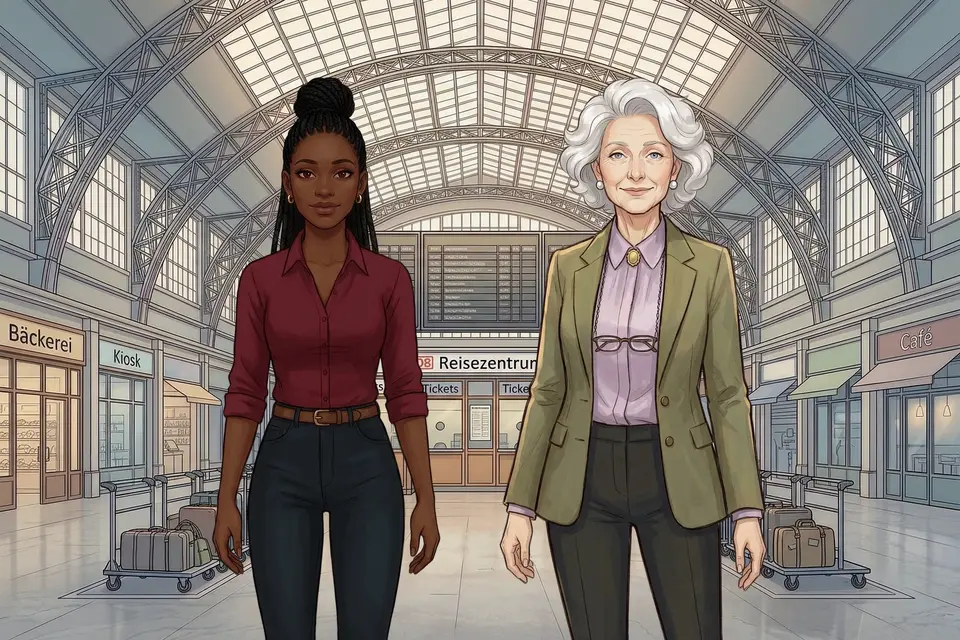
Scene: The hall of a big German train station with the ticket office and the platforms behind

Zehn Minuten später seid ihr im Bahnhof.

Ten minutes later you're both in the station.

Krause: Oh, ich habe meine Brille vergessen. Wo ist Gleis 3?

Oh, I've forgotten my glasses. Where is platform 3?

Du siehst ein Schild. Gleis 3 ist rechts, dann geradeaus.

You see a sign. Platform 3 is to the right, then straight on.

Your answer

  1. Good answer

    Gehen Sie hier rechts und dann geradeaus.

    Go right here and then straight on.

    Krause: Rechts und geradeaus. Danke, Sie sind ein Schatz!

    Right and straight on. Thank you, you're a darling!

  2. Correct German, not the best answer here: that's the du form: with strangers use "Gehen Sie"

    Geh rechts, dann geradeaus!

    Go right, then straight on!

    Krause: Ha, so jung bin ich nicht mehr! Aber danke. „Gehen Sie rechts“ ist höflicher.

    Ha, I'm not that young any more! But thank you. "Gehen Sie rechts" is more polite.

  3. Mistake: the sign says rechts = right

    Sie gehen links und dann geradeaus.

    You go left and then straight on.

    Krause: Links? Aber da steht doch „rechts“!

    Left? But it says "right" there!

    Du: Oh, Entschuldigung! Gehen Sie rechts.

    Oh, sorry! Go right.

Krause: Gute Reise! Und tschüss!

Have a good trip! Bye!

Du findest dein Gleis auch. Jetzt kannst du nach dem Weg fragen und anderen den Weg erklären. Super gemacht!

You find your platform too. Now you can ask for directions and explain the way to others. Well done!